

{ case study }
Enhancing Checkout Flow with Modern Frontend Technologies
Introduction
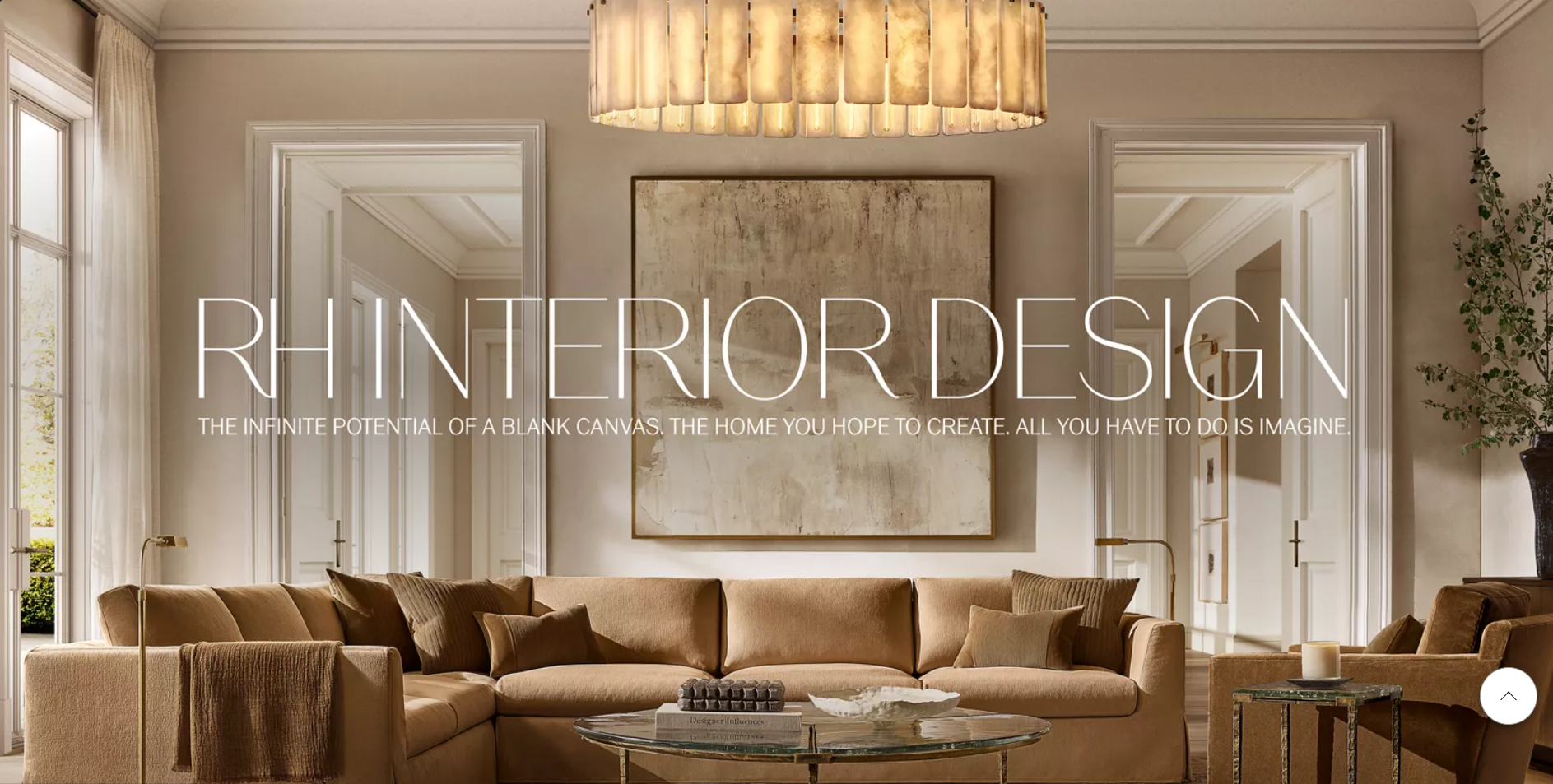
RH (Restoration Hardware) is a leading luxury home furnishings retailer with a global footprint in both physical galleries and online commerce. For a brand where customers make high-value purchases, checkout becomes a crucial trust-building experience. Our engineering team collaborated with RH to modernize and optimize the digital checkout flow, ensuring it aligned with the brand's premium identity while addressing performance, reliability, and scalability challenges.
{ the challenge }
The Challenge
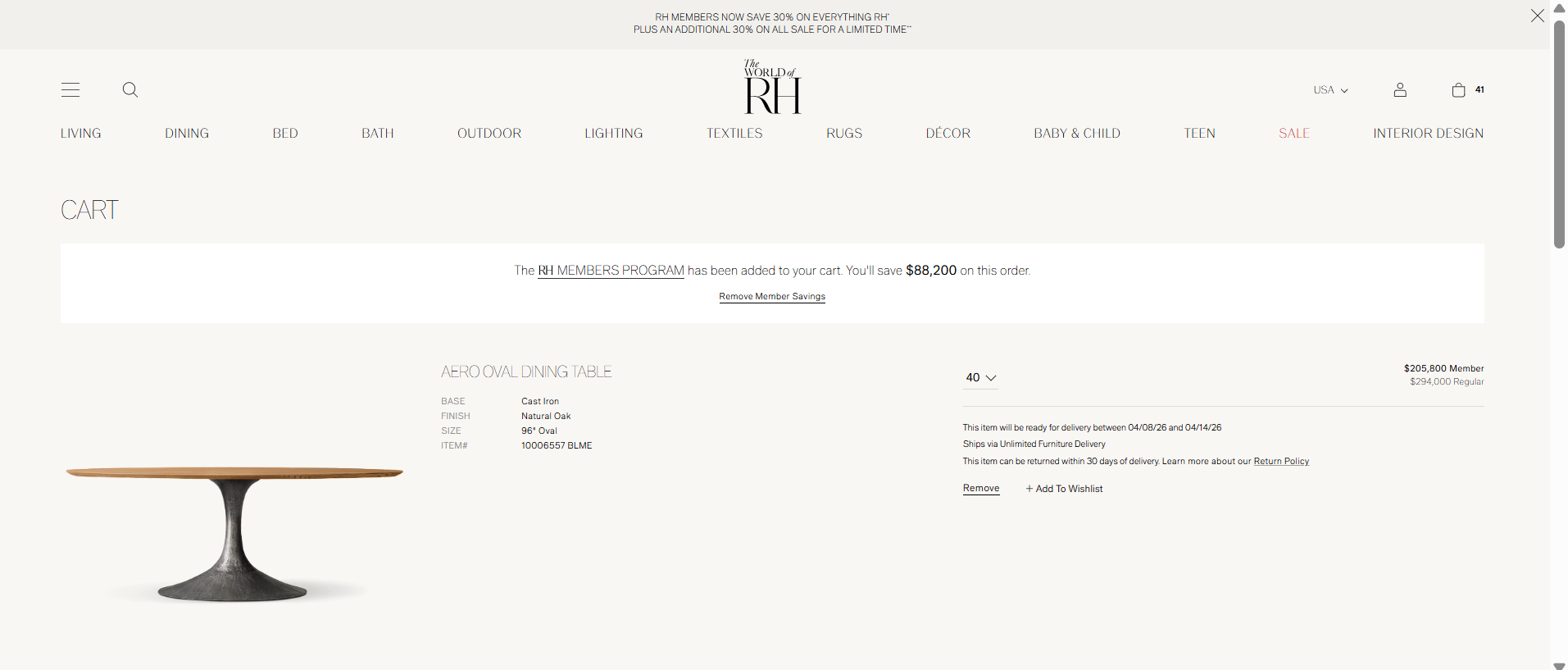
RH's existing checkout system was functional but not optimized for modern customer expectations. Issues included slower load times, inconsistent responsiveness on mobile, and limited scalability during seasonal traffic spikes.
- Deliver a seamless, secure, and high-performing checkout experience
- Reduce cart abandonment through a more intuitive flow
- Ensure the design and UX reflected RH's luxury brand positioning
- Prepare the checkout architecture for future personalization features
{ the brief }
What we set out to solve
The problem
RH's existing checkout system was functional but not optimized for modern customer expectations. Issues included slower load times, inconsistent responsiveness on mobile, and limited scalability during seasonal traffic spikes.
The project aimed to:
- Deliver a seamless, secure, and high-performing checkout experience
- Reduce cart abandonment through a more intuitive flow
- Ensure the design and UX reflected RH's luxury brand positioning
- Prepare the checkout architecture for future personalization features
Where it was breaking
Slow Checkout Page Loads
Impacting conversions and customer satisfaction.
Inconsistent Mobile Experience
Especially during payments, creating friction for mobile users.
Over-fetching of Data
Through REST APIs causing performance bottlenecks.
Lack of Inline Validation
Creating friction for customers during form completion.
Styling Inconsistencies
Reducing luxury brand perception and user trust.
Architecture Limitations
Not future-ready for personalization or AI-driven enhancements.
Who it was built for
Affluent Buyers
Purchasing high-ticket luxury furniture online.
Mobile-first Shoppers
Who expect smooth transactions on handheld devices.
Seasonal Buyers
During promotional events, where performance at scale is critical.
Repeat Customers
Who value convenience and consistency.
Design Thinking Process

{ what we built }
Features Delivered
Abandoned Cart Recovery
With personalized reminders to re-engage customers
{ stack }
Technologies Used
Frontend
- React
- TypeScript


Styling
- Tailwind CSS
- Styled Components

API Layer
- GraphQL

Build & Deployment
- Webpack
- CI/CD
Monitoring
- Monitoring
{ outcome }
Outcome & Impact
Reduction in Cart Abandonment
Improved checkout flow significantly reduced customer drop-off rates.
Faster Checkout Load Times
Performance optimizations delivered measurably faster user experience.
Higher Mobile Conversion Rates
Responsive redesign improved mobile shopping experience.
Improved Platform Reliability
Enhanced architecture handled seasonal traffic spikes seamlessly.
Future-Ready Architecture
Built foundation for personalization and AI-driven features.
{ the result }
Overview
RH (Restoration Hardware) aimed to enhance its digital checkout experience to reflect its luxury brand identity while improving speed, reliability, and scalability. Key challenges included optimizing mobile performance, reducing cart abandonment, and preparing the platform for future personalization.
Got a problem shaped like this one?
Tell us what is not working. We will tell you honestly what it would take to fix it.